
A Louisiana consultancy for owner-run businesses
Find where you lose time and money.Fix it with technology.
We connect owner-run businesses across Louisiana to AI and modern software, and help them keep up as it changes. Work on the rate card starts with a 20-minute call. Custom work starts with a free consultation. Either way, the price is on paper before anything is built.

- Baton Rouge, LA · 30.45° N 91.19° W
- Free consultation · about 90 minutes
- Websites from $500
- Every price on the rate card
01 / 06The story
Who we are,how a job runs, what we build.

01 / 10Baton Rouge, LA · 30.45° N 91.19° W
Louisiana
The map above, in points of light: every parish and the businesses in it, from public registers. We work from Baton Rouge.
02 / 10Meetings by appointment · illustration
The office · LSU Innovation Park, Baton Rouge
8000 Innovation Park Drive, Baton Rouge, LA 70820.
03 / 10Step 01 · About 90 minutes, no charge
Free consultation
A written summary of how work moves through your business, with every manual step marked. Yours whether or not you continue.
04 / 10Step 03 · About a week
Scope it together
A written scope naming every piece and every connection, with a fixed price on it.
05 / 10Step 04 · Set in the scope
Build
Working software, deployed, running on your real data.
06 / 10What we build · 01 + 02
Websites and client portals
A site that brings in work and sends it where you will see it. A place where your clients see their own status, documents and invoices.
07 / 10What we build · 03
Getting found, ads and social
Being findable, and looking right when you are found.
08 / 10What we build · 04 · the Weblux mark
Brand and print
A mark drawn for your business, and that mark on everything that carries your name.
09 / 10What we build · 05
Myco
The software a service business runs on, by the plan or by the module.
10 / 10What we build · 06
Automations and integrations
The typing and chasing between your tools, done automatically.
02 / 06Where it leaks
Three leaks.Find them before you fix one.
Work comes in, moves through the office and goes back out. It tends to leak in the same three places. The free consultation finds the ones in yours, and the fix starts with the one that costs the most.
Hover a leak to find it. Click it to fix it.Tap a leak to fix it.
0 of 3 fixed
03 / 06Stay current
The tools change every month.Here is what matters.
AI and business software move faster than an owner has time to follow. The AI 101 guides take each subject through the noise and come out plain: what the tool does today, where it stops, and the date we last checked. When a change touches your business, the free consultation is where we talk it through.

- 01 · GuideChecked 2026-10-05How AI WorksWhat a large language model is, what it can and cannot do, and the vocabulary that lets you question a vendor: tokens, context, hallucination.Read the guide
- 02 · GuideChecked 2026-10-05AI Automation, ExplainedWhat AI automation is, what it looks like inside a service business, when it pays for itself, and the four places it predictably breaks.Read the guide
- 03 · GuideChecked 2026-10-05Prompt EngineeringHow to ask an AI for what you need: the five parts of a clear request, and how to fix a mediocre answer instead of settling for it.Read the guide
- 04 · GuideChecked 2026-10-05Responsible AI UseWhere AI gets things wrong, and what that costs a practice. Hallucinations, bias, and client confidentiality, covered plainly.Read the guide
- 05 · GuideChecked 2026-10-05Custom Software, ExplainedWhen a business should buy software off the shelf, when it should build, what drives the cost, and the questions that keep any developer honest.Read the guide
- 06 · GuideChecked 2026-10-05What a Small Business Website Is ForThe one job a small business website has, what separates a working site from a brochure, and what to ask any web designer, including us.Read the guide
04 / 06See it working
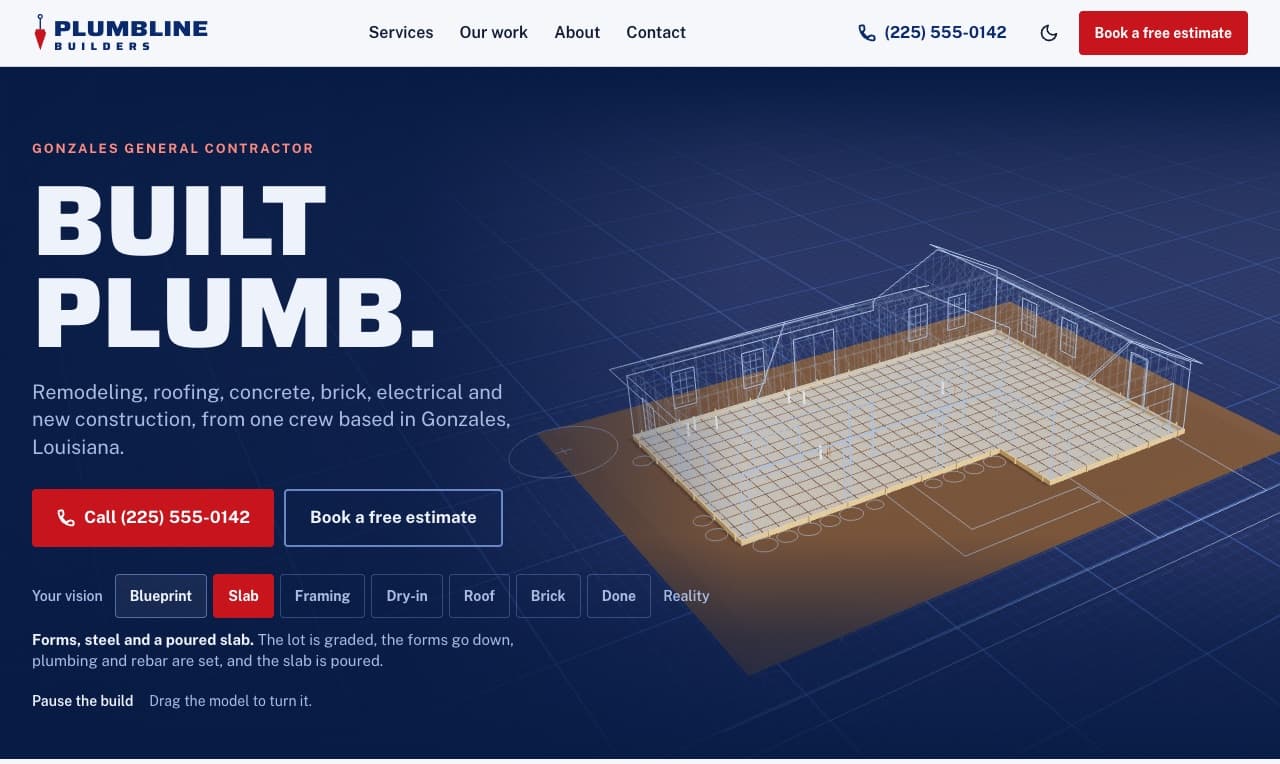
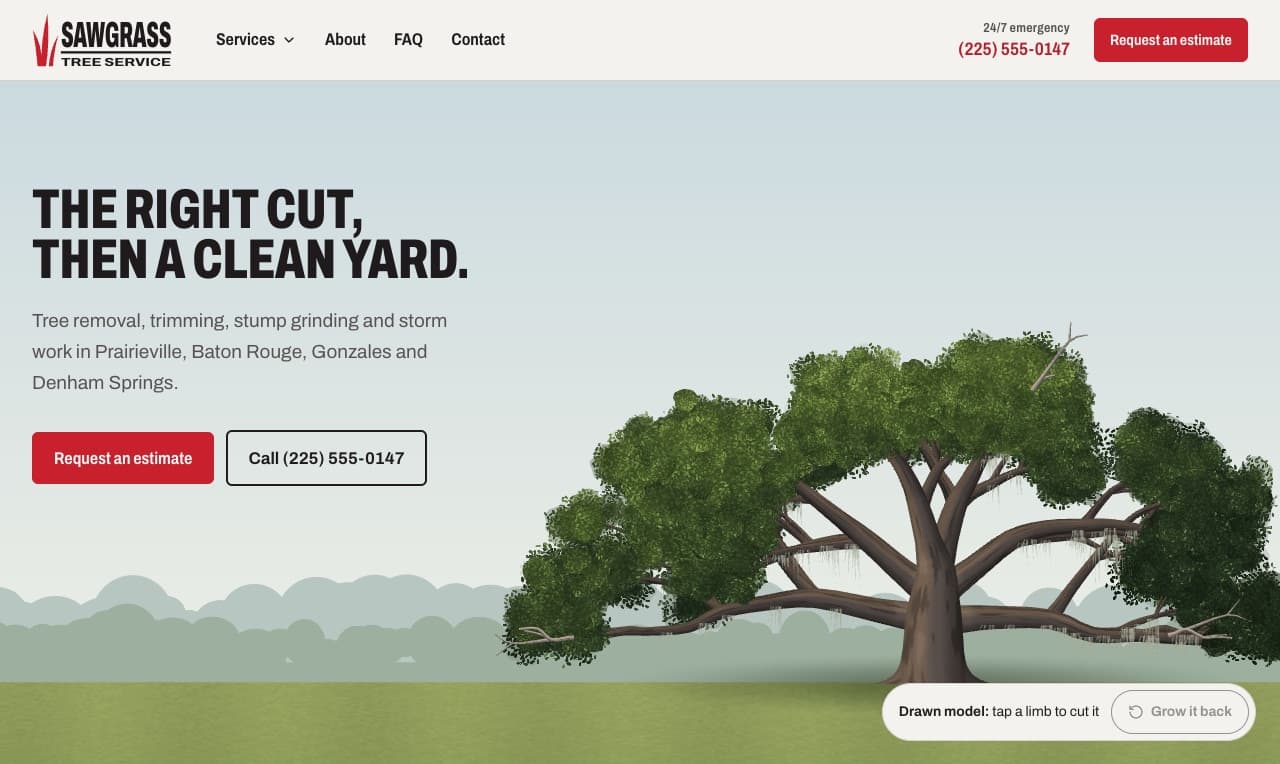
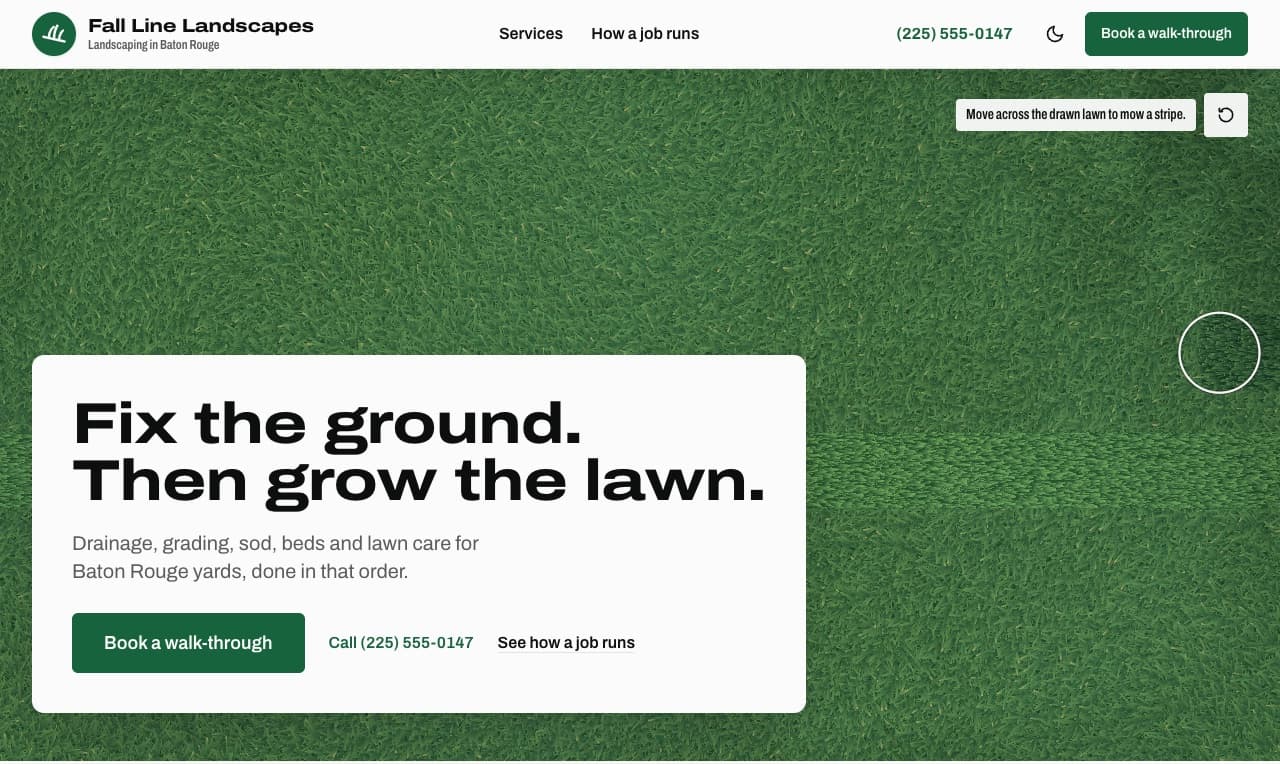
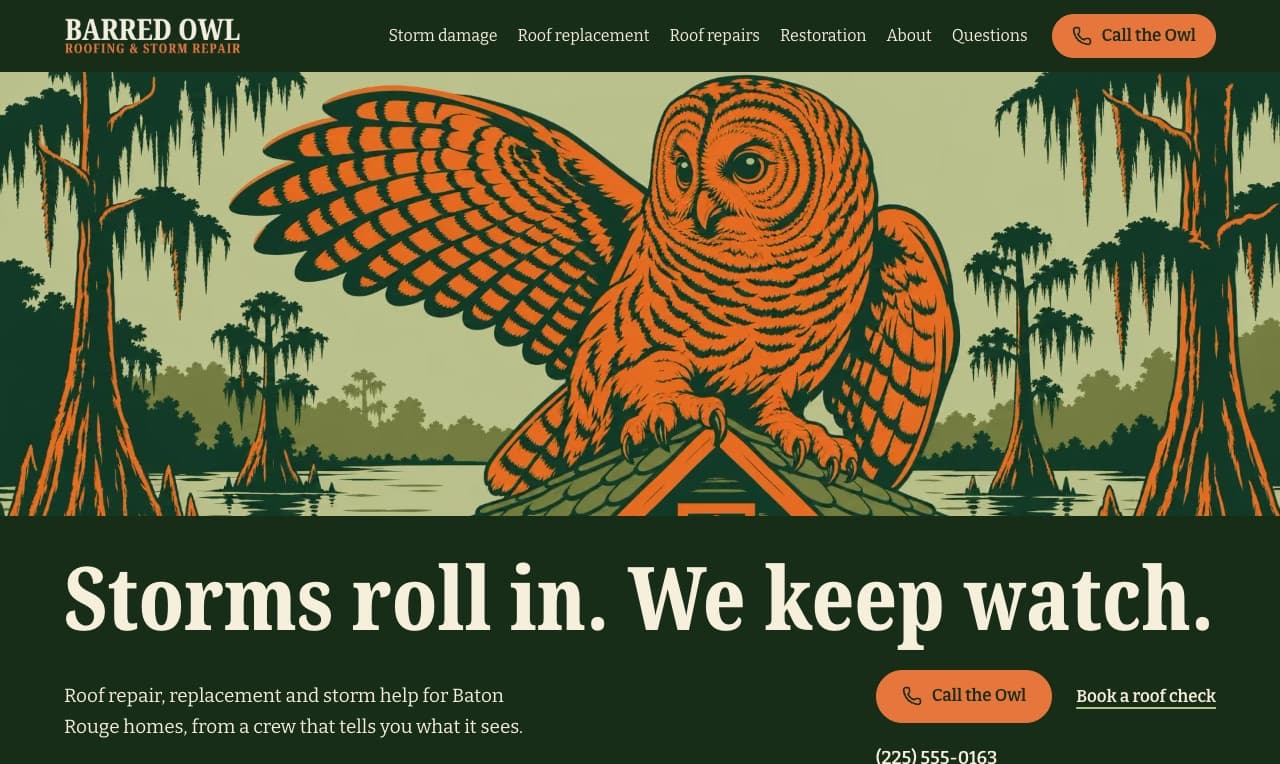
Builds you can open, every business invented.
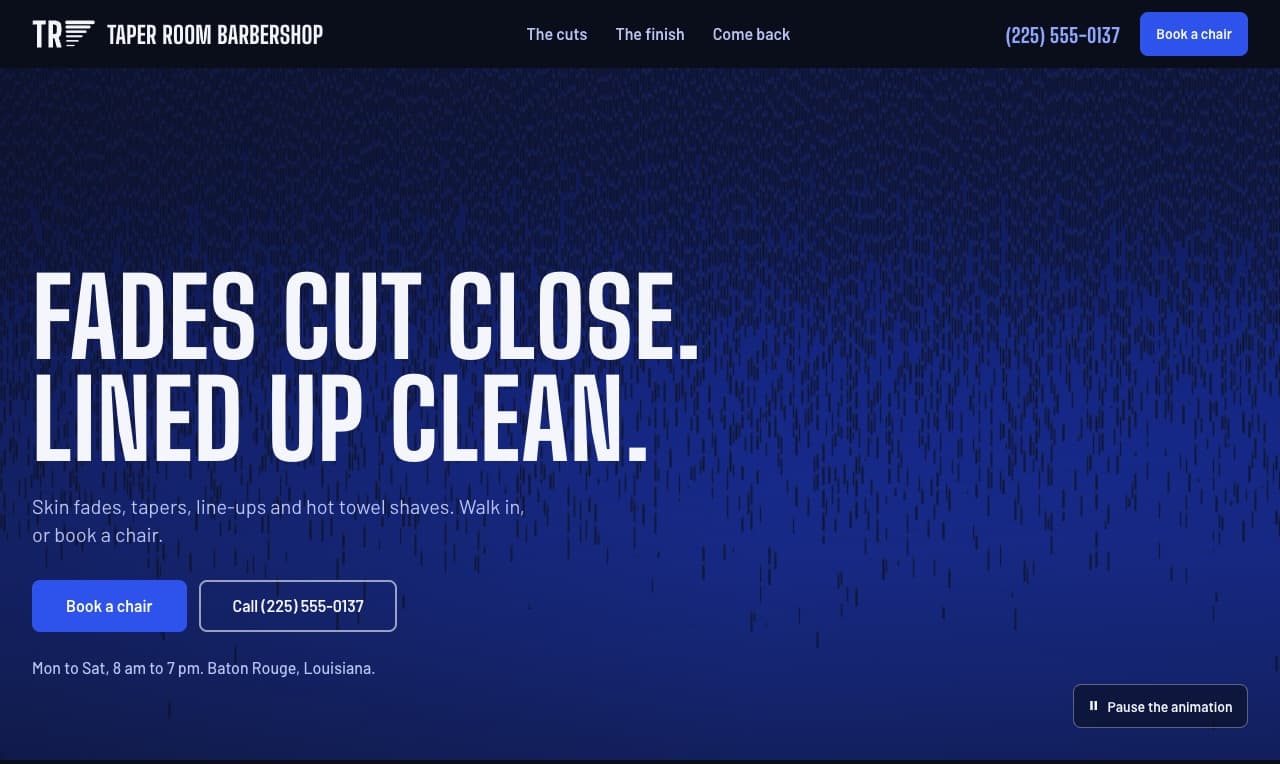
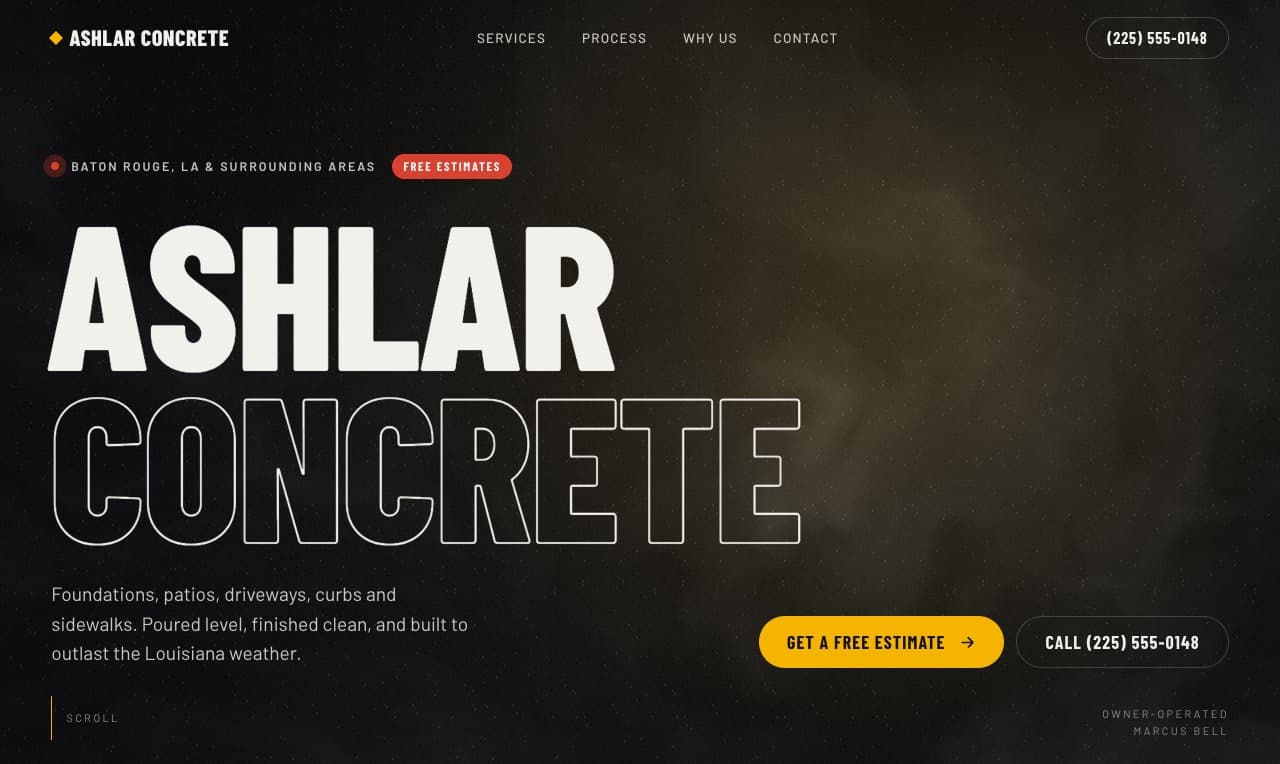
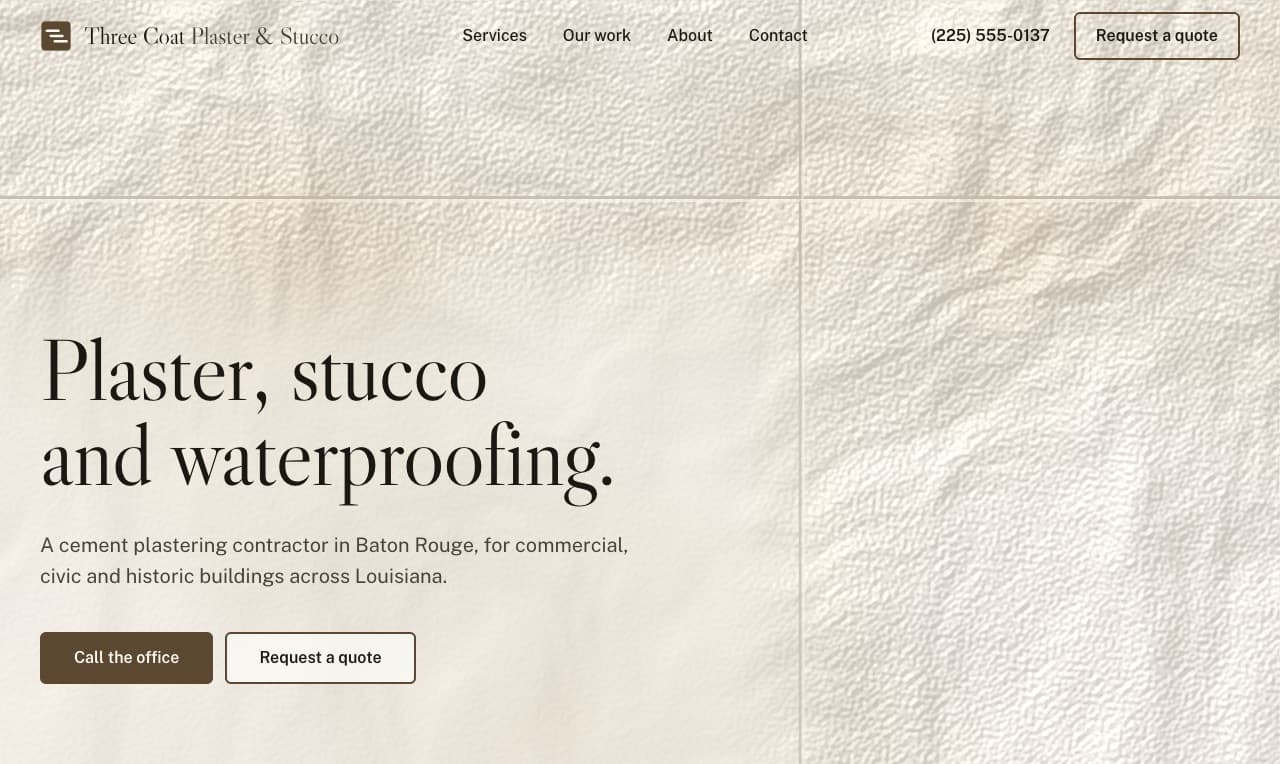
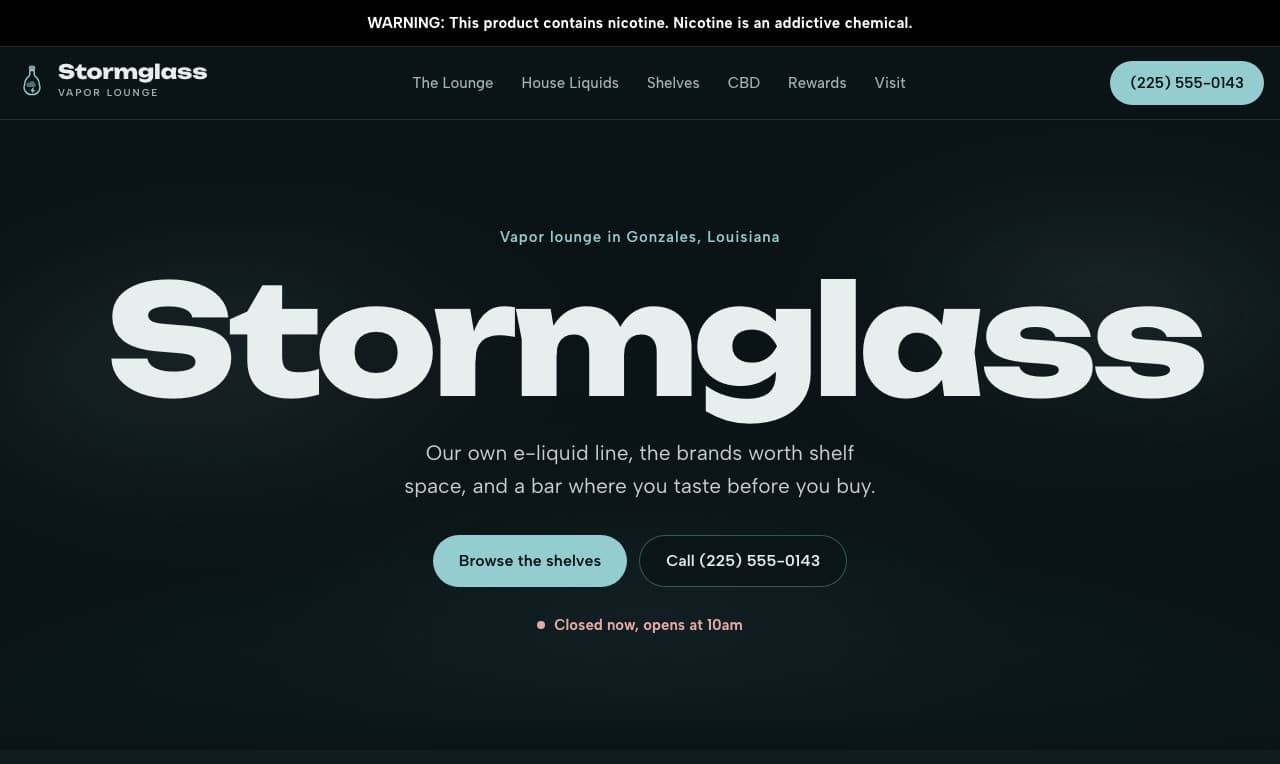
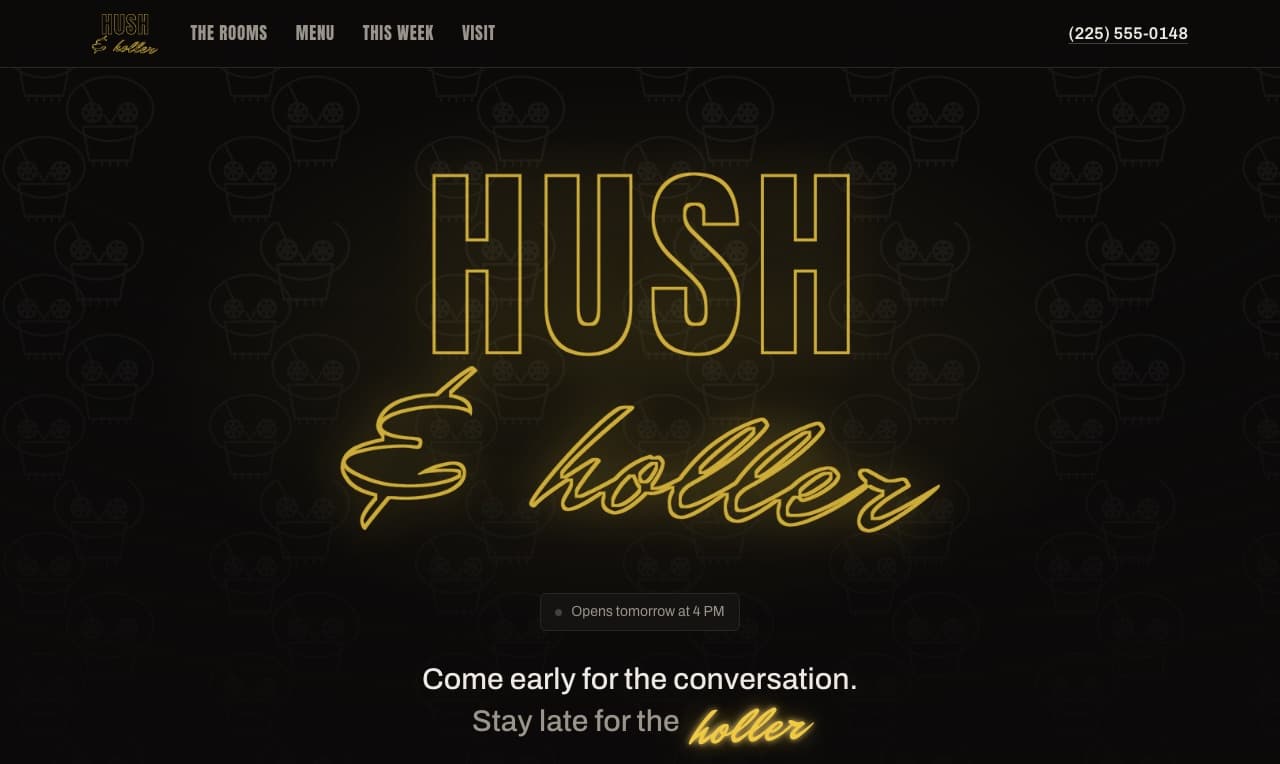
These are demonstration builds you can open and use. Every business in them is invented, and each one shows one kind of work we sell.
05 / 06What it costs
Six numbers,and one rule.
- $0
- The consultation, for custom work. About 90 minutes, and a written summary you keep.
- $500
- Where a website starts: a landing page. A full website is $2,500, with a business card redesign included.
- $3,000
- Where a custom client portal starts. $3,000 to $5,000, with the price fixed in a scope before we build.
- $100
- A month of Google Business Profile, after $200 to set it up. SEO, ads and social each have their own line.
- $99
- A month of Myco on the Starter plan. Or take modules one by one, from $25 a month.
- $350
- An hour of strategy consulting with Dr. Klavdia Evans, PhD in strategic management.
The rule: what is on the rate card costs what the card says. Automations, AI and integrations are not on it. Each one gets a written scope and one fixed price before we build it.
06 / 06Start here
Start with a call,short or long.

- 01 Build your scope
- 02 20-minute call
- 03 Invoice
- 04 Work starts within five days
If you know what you want from the card, build your scope and we confirm it on a 20-minute call. If you do not, the free consultation is about 90 minutes and you keep the written summary either way. If we are the wrong people for the job, you hear it on the call and not after an invoice. Here is what we ask.